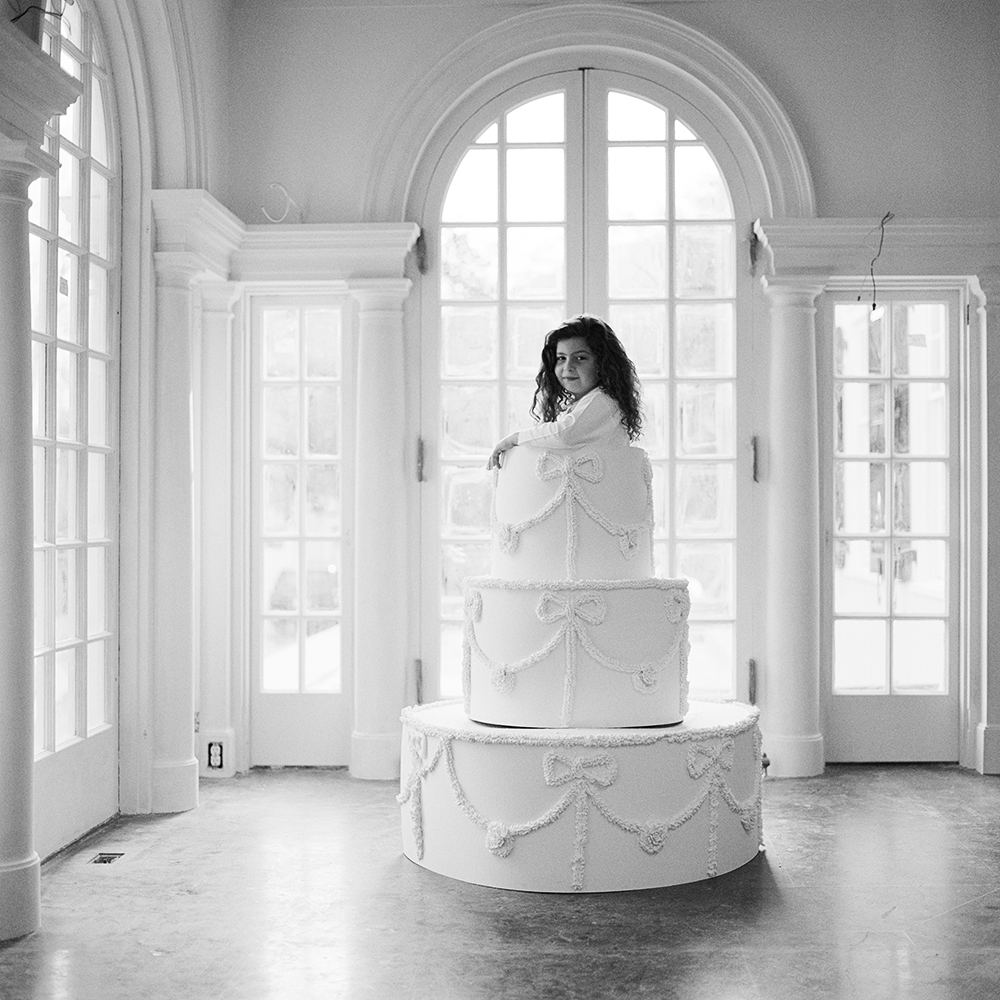
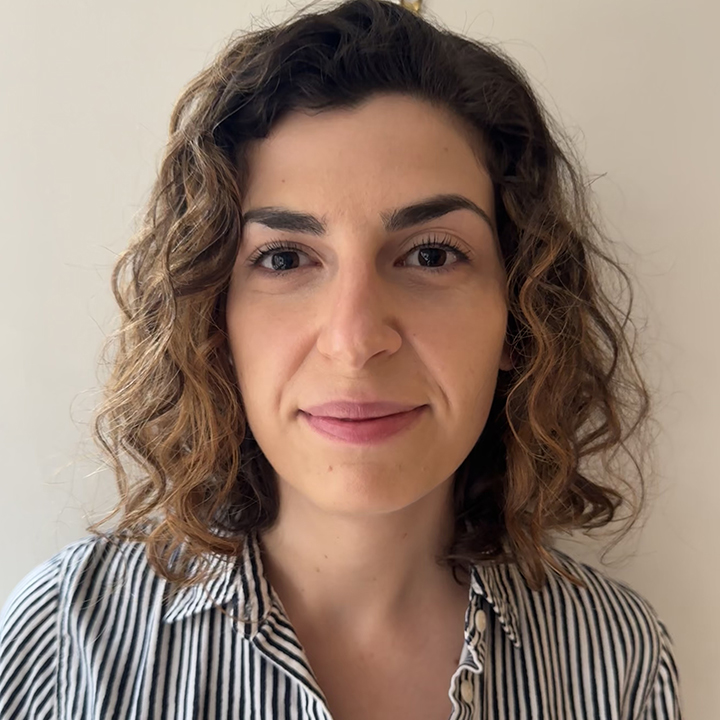
A Chip off the Old Block Savannah reflects on her inheritance
There’s a phrase in Sophocles’ Antigone where the chorus leader says, “Like father like daughter, passionate, wild… she hasn’t learned to bend before adversity.”
I don’t know if that exactly describes me, but my mother insists I’m a lot like my father. I may not always take this as a compliment, even though she means it that way.
Some geneticists suggest that the father’s genes are more dominant than the mother’s, particularly when it comes to appearance. The evidence? It could be the 1000-watt smile. My Dad and I are a bit like the Cheshire Cat in Lewis Carroll’s Alice in Wonderland. Our smile is disarming—it’s the first and last thing you remember about us before we disappear.
But my inheritance goes deeper than a smile.
Sometimes my dad and I felt like co-conspirators. We’d get pancakes at the diner and wax philosophical about life, love, and the pursuit of happiness. We liked talking about people at an abstract level—not gossip, but analysis. What motivated them? What childhood wound were they nursing? He was very smart and insightful.
I inherited the ability to read people, to understand what’s happening beneath the surface. I’m empathetic and non-judgmental about people’s motivations and influences. Though I’ll admit I can’t pull off what he could: calling out people’s deepest insecurities with such disarming charm that they’d actually laugh about it.
This psychological DNA extends to our shared anxieties. I recognize myself in this pattern—unloading every worry on my husband Nick, really letting him have it, then immediately softening and saying “I love you.” Classic Rodney Smith move.
Nick and I got married in August, and I’m certain my dad would have insisted the wedding be at the house. I would have firmly insisted it not be. Every event at our house came with some major hiccup. More than that, there’s the fact that my father needed to be the center of attention at all times. Even on my wedding day, he would have found some reason to have an anxiety attack. While I admit I’m demanding—poor Nick can attest to that—I’m more rational and self-aware than my father was. I recognize when I’m being unreasonable. He never could.
So I chose differently. No family house. No history. No angst. A clean slate.
As I turn 31 today, married to a man my father would have loved (and who, disturbingly, shares many of his qualities), I find myself thinking about inheritance not as something passive but as something you actively shape. You take what serves you—the insight, the depth, the refusal to accept superficiality, the ability to see into people’s hearts and understand what makes them human.
And perhaps my Dad’s greatest gift was the one he didn’t intend: showing me that even the most passionate, brilliant people need to learn to bend before adversity. To see our own patterns and try—however imperfectly—to do better.
I would call him complicated. But he was really alive. And in the end, that’s what I want to carry forward: the aliveness, the intensity, the depth, the genuine engagement with life and people.
Just with a little more grace, and absolutely no drama at family weddings.
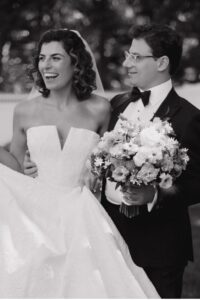
Savannah Smith Cataldo and Nick Cataldo, August.30, 2025